


Balancing Back to School and Competition
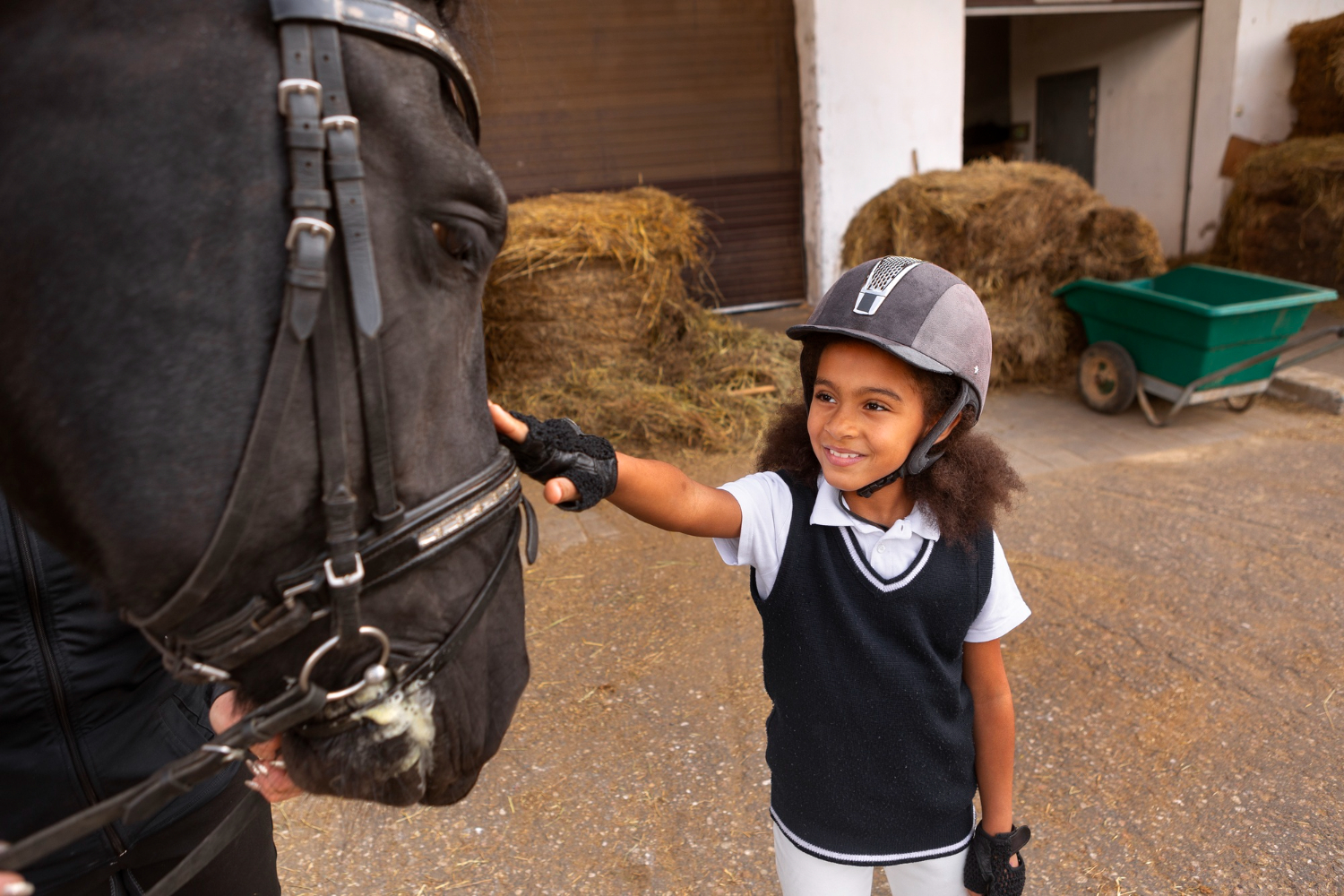
Balancing Back to School and Competition
For young equestrians, the transition from summer break back to school can be exciting—but it can also create a challenging balancing act. Homework, classes, extracurricular activities, family commitments, riding lessons, horse care, and competition schedules all need attention. When a rider is also preparing for the demands of the hunter/jumper show circuit, having a thoughtful routine becomes especially important.
At Steffee Showjumping in Wellington, Florida, we understand that competitive riding is about much more than time spent in the saddle. Success comes from developing a strong partnership between horse and rider while maintaining consistency, focus, and proper care. Our training program is designed around the individual needs and goals of each horse and rider, including riders who are balancing their equestrian goals with school responsibilities. (Steffee Showjumping)
The beginning of a new school year is an excellent opportunity to establish routines that help riders stay organized, confident, and prepared for competition.
Table of Contents
-
Creating a Realistic Weekly Schedule
-
Prioritizing Horse and Rider Preparation
-
Making Every Ride Count
-
Planning Ahead for Competition
-
Protecting Rest and Recovery
-
Staying Mentally Focused
-
Communicating With Your Trainer
-
Building a Sustainable Routine
-
FAQs
Creating a Realistic Weekly Schedule
One of the most important steps in balancing school and riding is creating a schedule that is realistic rather than overly ambitious.
When school starts, riders may suddenly have several hours of homework each evening, early mornings, tests to prepare for, and activities outside of school. Trying to maintain a summer schedule without making adjustments can quickly lead to frustration and burnout.
Start by identifying the commitments that cannot move. School hours, major assignments, exams, competitions, and important family obligations should be placed on the calendar first. From there, riding lessons, horse training, conditioning, study time, and downtime can be organized around those priorities.
A weekly calendar can make a significant difference. Riders and parents can look ahead at upcoming competitions and determine which weeks will require additional preparation. This allows training to be planned proactively rather than trying to fit everything in at the last minute.
At Steffee Showjumping, customized training programs are built around the needs of individual horses and riders, making communication and planning especially valuable when schedules become busy. (Steffee Showjumping)
Prioritizing Horse and Rider Preparation
Competitive riding requires preparation from both members of the partnership.
A rider may be focused on homework and school deadlines, but their horse still needs consistent care, conditioning, training, nutrition, turnout, and recovery. Maintaining that consistency is one reason having a structured training and boarding program can be so valuable for busy families.
Steffee Showjumping provides full-care boarding with individualized feeding and hay schedules, daily turnout, grooming, health maintenance, medication management when needed, and coordination with veterinary and farrier professionals. Trainers also live on-site, providing ongoing oversight of the horses in their care. (Steffee Showjumping)
This type of support allows riders to focus on their responsibilities at school while knowing their horse’s daily needs are being carefully managed.
Making Every Ride Count
When school is back in session, riders may not have the same amount of free time they enjoyed during summer.
That does not necessarily mean progress has to stop.
Instead, focus on making each training session purposeful. A shorter, focused ride can be more productive than a longer session where the rider is distracted or mentally exhausted.
Training might focus on flatwork, transitions, balance, position, gymnastics, jumping exercises, or course work depending on the horse and rider’s goals. The objective should be quality rather than simply accumulating hours in the saddle.
Steffee Showjumping’s training program incorporates flatwork and conditioning, gymnastics and jumping exercises, course work, show preparation, and mental focus. Programs are customized according to the needs and competitive goals of each horse and rider. (Steffee Showjumping)
Planning Ahead for Competition
Competition weeks become much easier when preparation starts early.
Rather than waiting until the week of a show to think about everything that needs to be done, riders can work with their trainer to establish a plan well in advance.
This can include:
-
Reviewing upcoming show dates
-
Establishing training goals
-
Scheduling appropriate conditioning
-
Practicing courses and specific skills
-
Preparing for course walks
-
Organizing schoolwork around competition dates
-
Planning transportation and show logistics
-
Allowing adequate time for rest and recovery
Steffee Showjumping provides show scheduling and planning, course walks, strategy sessions, mental and physical conditioning, and ringside coaching at competitions. (Steffee Showjumping)
For riders in Wellington, being located close to major competition venues can also simplify the logistics of getting to and from shows. Steffee Showjumping is located minutes from the WEF showgrounds, giving competitive riders convenient access to the Wellington show circuit. (Steffee Showjumping)
Protecting Rest and Recovery
One of the easiest things for busy students to overlook is rest.
A rider who is staying up late to finish homework, waking up early for school, and then riding multiple days a week may eventually become mentally and physically fatigued. The same principle applies to horses. Training programs should include appropriate conditioning, turnout, recovery, and rest.
The goal is not to do as much as possible. The goal is to create a program that supports long-term development.
Daily turnout can provide horses with opportunities for movement and mental relaxation, while a thoughtfully structured training schedule helps prevent unnecessary fatigue. Steffee Showjumping offers private irrigated paddocks, an all-weather arena, and access to hacking trails and the Wellington Environmental Preserve. (Steffee Showjumping)
Staying Mentally Focused
Returning to school can be a major adjustment, and competition can add another layer of pressure.
Riders should remember that not every competition needs to be approached as a test of perfection. Every show is an opportunity to learn.
Instead of focusing exclusively on ribbons or placings, consider questions such as:
Did I ride the course I planned?
Did I communicate effectively with my horse?
Did I maintain my position?
Did I stay calm when something unexpected happened?
What can I improve during my next ride?
Steffee Showjumping emphasizes building confidence and helping riders learn to think like their horses. The program focuses on creating long-term horse-and-rider partnerships rather than chasing short-term results. (Steffee Showjumping)
That mindset can benefit young riders both inside and outside the show ring.
Communicating With Your Trainer
Open communication becomes even more important when school resumes.
Let your trainer know about major exams, school events, vacations, and other commitments that could affect your availability. A trainer can then help determine how to adjust the riding schedule without sacrificing important training goals.
Likewise, communicate when you feel overwhelmed or when your schedule becomes difficult to manage. A successful training relationship should be a partnership.
At Steffee Showjumping, individualized programs are designed around each client’s needs, and the team emphasizes flexibility for busy schedules. (Steffee Showjumping)
Building a Sustainable Routine
The best school-and-show routine is one that can be maintained throughout the season.
That may mean riding fewer days during particularly demanding school weeks and increasing training when the academic schedule allows. It may mean planning homework around show dates or using weekends strategically for additional preparation.
Most importantly, remember why you started riding in the first place.
The goal should be to develop as a rider, care for your horse, enjoy the sport, and continue building a partnership that grows over time. School and competition do not have to compete with one another. With organization, communication, and the right support system, they can work together.
At Steffee Showjumping, Sean and Livia Steffee bring more than 40 years of combined hunter/jumper experience to their Wellington program. Their approach centers on horsemanship, individualized training, horse welfare, and developing confident horse-and-rider partnerships. (Steffee Showjumping)
For competitive young riders, the return to school can be a chance to strengthen more than academic skills. It can also be an opportunity to become more organized, responsible, disciplined, and intentional about their riding.
With a thoughtful plan, the school year does not have to mean putting competition goals on hold. Instead, it can become another part of the journey toward becoming a more confident and capable equestrian.
Frequently Asked Questions
1. How can I balance school and competitive riding?
Start with a realistic weekly schedule that includes school, homework, riding, horse-related responsibilities, competitions, family commitments, and rest. Planning several weeks ahead can help prevent school deadlines and competitions from becoming overwhelming at the same time.
2. Should my riding schedule change when school starts?
It may be helpful to make adjustments depending on your academic workload. Your trainer can help determine how many training sessions are appropriate and how to prioritize specific goals during busy weeks. Steffee Showjumping offers customized training programs based on each horse and rider’s needs. (Steffee Showjumping)
3. How early should I start preparing for a competition?
Competition preparation should begin well before show day. Training goals, conditioning, course work, scheduling, and strategy can all be addressed ahead of time. Having a plan reduces stress and helps both horse and rider arrive prepared.
4. How important is rest for a competition horse?
Rest and recovery are important components of a sustainable training program. Horses need appropriate conditioning balanced with turnout, recovery, nutrition, and care. A healthy, happy horse is better positioned to perform consistently.
5. Can competitive riders still succeed while maintaining a busy school schedule?
Absolutely. Organization and communication are key. A customized training program can help riders make productive use of their available time while professional horse care helps ensure the horse’s daily needs continue to be met. With the right support, students can pursue both academic and equestrian goals.
Our Latest News and Blogs
What’s going on in our company? Let’s see our blogs

Equestrian Barn Management: The Foundation of Horse Health, Performance, and Happiness

Summer Sores in Horses: Causes, Symptoms, Treatment & Prevention
Summer Sores in Horses: Causes, Symptoms, Treatment & Prevention When horse owners in Florida think about summer health concerns, flies, humidity, and skin irritation are often at the top of the list. One condition that can quickly become frustrating for both...

EPM: Protecting Performance Horses Early
EPM: Protecting Performance Horses Early Equine Protozoal Myeloencephalitis—better known simply as EPM—is one of the most concerning neurologic conditions affecting performance horses in the United States. For equestrians, trainers, and barn managers in Wellington, FL...

Shedding Light on EPM
Shedding Light on EPM: What Every Owner, Rider & Trainer Should Know When we think of “neuro” disorders in horses, many jump-sport participants immediately think of cervical vertebral compressive myelopathy (CVCM) or equine degenerative myelopathy. But one of the...

Horse Sales & Imports at Steffee Showjumping
Horse Sales & Imports at Steffee Showjumping: Connecting Riders with the Right Partners At Steffee Showjumping, we understand that finding the right horse is one of the most important decisions a rider can make. Whether you are searching for a talented young...

Elite Training Program at Steffee Showjumping
Elite Training Program at Steffee Showjumping: Unlock Your Horse’s Full Potential At Steffee Showjumping, we believe that world-class results are built on consistency, precision, and trust between rider, horse, and trainer. Our Elite Training Program is designed for...

Boarding Facilities at Steffee Showjumping
Boarding Facilities at Steffee Showjumping: A Home Where Horses Thrive At Steffee Showjumping, we believe that exceptional performance begins with exceptional care. Your horse’s home should be more than just shelter — it should be a foundation for health, happiness,...